Which Jazz Albums Should Beginners Start With?
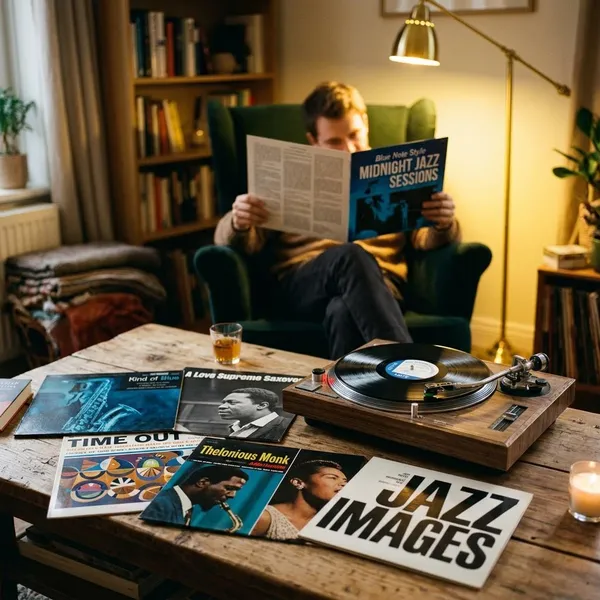
If you want the best jazz albums for beginners, start with a record that gives you something to hold onto: a melody, a voice, a groove, or a mood. Kind of Blue is the safest first pick for most people, but Ella and Louis, Getz/Gilberto, and Time Out may connect faster if you already know what kind of music you enjoy.
What Is the Best Jazz Album for Beginners?
The best jazz album for beginners is Kind of Blue by Miles Davis. It is calm, spacious, melodic, and easy to replay, which matters more than choosing the most complex or historically impressive jazz record first.
| Album | Best first-listen reason | Start here if you like... |
|---|---|---|
| Kind of Blue — Miles Davis | Calm, clear instrumental jazz | late-night music, soft instrumentals, reflective albums |
| Time Out — The Dave Brubeck Quartet | Catchy rhythms and memorable hooks | music with bounce, odd rhythms, or a strong pulse |
| Ella and Louis — Ella Fitzgerald and Louis Armstrong | Warm voices and familiar song shapes | lyrics, personality, standards, duet albums |
| Getz/Gilberto — Stan Getz and João Gilberto | Soft bossa nova and relaxed atmosphere | dinner music, acoustic textures, mellow evenings |
| Moanin' — Art Blakey and the Jazz Messengers | Lively hard bop with bluesy drive | soul, R&B, classic rock energy |
| Head Hunters — Herbie Hancock | Jazz-funk grooves and electric textures | funk, beat-driven music, fusion, bass-heavy records |
| Somethin' Else — Cannonball Adderley | Warm, bluesy small-group jazz | a smooth next step after Kind of Blue |
| Saxophone Colossus — Sonny Rollins | Bold saxophone with memorable tunes | direct melodies and a brighter small-band sound |
| The Sidewinder — Lee Morgan | A catchy groove with hard-bop swagger | music that feels confident, punchy, and rhythmic |
| Sunday at the Village Vanguard — Bill Evans Trio | Quiet, intimate piano-trio conversation | thoughtful, gentle, close-listening albums |
Which Beginner Jazz Album Fits Your Taste?
The best first album is not always the "most important" one. It is the one you will actually replay. Before choosing, check three things: whether you prefer vocals or instrumentals, whether you want calm or energy, and whether rhythm matters more to you than atmosphere.

Choose Kind of Blue for calm instrumentals
If you want jazz that can sit in the room without demanding too much at once, Kind of Blue is the obvious choice. It suits quiet evenings, focused headphone listening, and people who already enjoy instrumental mood music.
Choose Ella and Louis for warm vocal duets
Ella and Louis is the better first move if you usually listen for lyrics, character, and emotional delivery. The songs feel conversational rather than formal, so the album is especially helpful if older instrumental jazz seems distant at first.
Try it when you want a low-pressure listen with another person in the room. Vocal jazz is often easier to share than a long instrumental record because the song format feels familiar immediately.
Choose Getz/Gilberto for soft bossa nova
Go with Getz/Gilberto when you want something relaxed but not plain. It is gentle enough for background listening, yet the phrasing and rhythm still reward attention.
- Good fit: late-night listening, dinner, travel, quiet mornings.
- Less ideal: when you want big solos, high energy, or a punchy beat.
Choose Time Out for playful rhythms
Time Out is for the listener who wants a hook. The album's rhythms are clever, but the music still feels bright and easy to follow.
If you are the kind of listener who taps along before noticing lyrics or harmony, this may be a faster entry point than Kind of Blue. Start with "Take Five," then play the full album so the rhythmic personality makes sense as a whole.
Choose Moanin' for lively hard bop
Moanin' brings more punch. The title track has a bluesy, churchy feel, and Art Blakey's drumming gives the music a strong forward push.
This is not the softest first jazz album, but it is a good choice if calm jazz feels too polite. Listeners coming from soul, R&B, or classic rock may find its energy easier to understand than cooler, more restrained records.
Choose Head Hunters for jazz-funk grooves
Anyone who normally listens to funk, hip-hop, electronic music, or bass-heavy grooves should consider Head Hunters. It uses electric textures and repeated rhythmic patterns, so the entry point is physical before it is theoretical: you can feel the groove first.
Conclusion
Start with Kind of Blue if you want the safest first step, but do not treat it as a rule you must obey. If voices, soft bossa nova, playful rhythm, hard-bop energy, or funk grooves sound more appealing, follow that instinct first. The right beginner jazz album is the one that makes you curious enough to press play again.
FAQS
What are some easy jazz songs for beginners?
Try "So What," "Take Five," "Dream a Little Dream of Me," "The Girl from Ipanema," and "Moanin'." Each gives you a clear hook before asking you to follow deeper improvisation.
Should you listen to jazz albums in track order?
Yes, at least the first time. Track order helps you feel the album's pacing; after that, it is fine to replay the songs that caught your ear.
Are jazz compilations good for beginners?
They are useful for sampling styles quickly. Once one artist or sound stands out, move to a full album so you can hear the mood develop properly.
Which modern jazz album is best for beginners?
Black Radio by Robert Glasper Experiment is an approachable modern pick because it connects jazz with soul, R&B, and hip-hop. If you want something larger and more ambitious, The Epic by Kamasi Washington is worth trying after you know you enjoy longer jazz journeys.