Why Did PARTYNEXTDOOR Change the P4 Album Artwork?
The partynextdoor album cover for PARTYNEXTDOOR 4 became a bigger story than ordinary album artwork because people wanted to know two things fast: who was on it, and whether the image was an official choice or just viral shock bait. The woman on the cover is Lanazia Greene, known online as MaamiNextDoor, and she later spoke publicly about the shoot, the attention, and the criticism that followed.
Who is on the P4 album cover?
The woman on the P4 cover is Lanazia Greene, a model and social media personality known as MaamiNextDoor. Her identity became part of the public conversation soon after the artwork spread online, partly because the cover was so explicit and partly because people were trying to understand whether the image came from an official rollout.
The useful distinction is that she was not just an unnamed figure in a leaked image. She publicly acknowledged her involvement and framed it as a professional opportunity. That matters if you are trying to separate internet assumptions from what was actually said by the person in the photo.
Her online name also drew attention because it already had a clear connection to PARTYNEXTDOOR's name and fan culture. For casual viewers, the cover may have looked like pure provocation; for fans following the rollout, it fit into a darker, sensual visual world that PARTYNEXTDOOR had already been building, only in a much more direct way.
What happened behind the P4 cover shoot?
MaamiNextDoor described the shoot as planned and professional rather than random or chaotic. The final image is what most people reacted to, but her comments shifted the focus toward how the shoot was arranged, how she joined the project, and how she handled being pulled into a viral debate.
If you are judging the story fairly, the first thing to check is not the loudest meme or the most outraged post. Start with three basics: whether the image was official, whether the model identified herself, and whether she spoke about her own experience. Those points keep the conversation from turning into pure speculation.
How MaamiNextDoor joined the project
She said the opportunity came through her representation at United Casting Agency while she was working a regular shift. That detail makes the project sound less like a sudden internet stunt and more like a normal casting job that became unusually visible once the artwork was released.
- For fans: her existing interest in PARTYNEXTDOOR made the booking feel more personal.
- For casual viewers: the agency detail helps confirm that this was part of a structured campaign.
- For people resharing the image: it is worth avoiding claims about how she was chosen unless they come from her own comments or reliable reporting.
Her experience on set
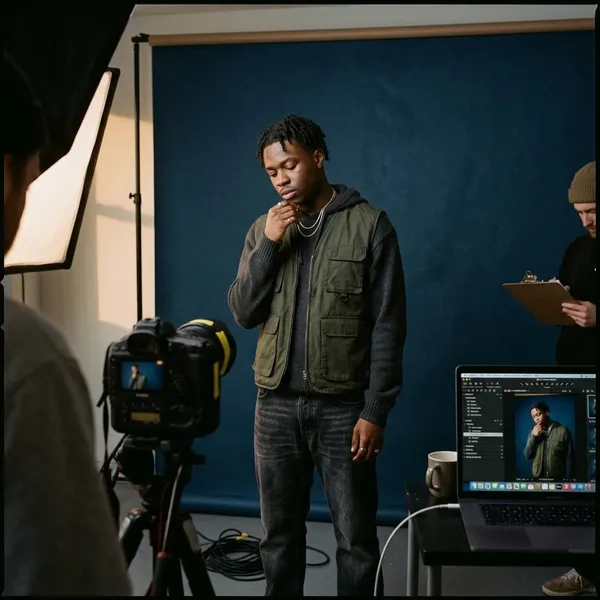
Her description of the set was more practical than dramatic. She said the team kept the environment controlled and limited unnecessary people around her during more vulnerable moments, which is an important point when an image involves nudity or an intimate pose.
The physical side also gets missed in most online reactions. A cover image can look effortless on a phone screen, but holding a difficult pose, working under lights, repeating shots, and staying composed during a long shoot is still labor. That does not make every viewer like the image, but it does make the work behind it harder to dismiss.
Her response to the backlash
MaamiNextDoor did not present herself as embarrassed by the cover. She pushed back against criticism, including comments aimed at her personally, and made it clear that she saw the shoot as something she chose and stood behind.
One practical way to read her response is to separate criticism of the artwork from criticism of the person in it. Viewers can dislike the cover, think it was too explicit for streaming platforms, or question the marketing choice without turning the model into the target. That line was crossed often once the image went viral.
Why did the P4 cover cause controversy?
The controversy came from more than nudity. The bigger issue was where the image appeared and how quickly it moved beyond PARTYNEXTDOOR's fan base. Album art now shows up on phones, smart TVs, car screens, social feeds, and recommendation pages, so an explicit cover can become visible in places where people did not choose to seek it out.
Explicit imagery surprised viewers
The image surprised people because it was more direct than the moody, shadowy style many listeners associate with earlier PARTYNEXTDOOR projects. Sexual imagery is not unusual in R&B marketing, but this cover removed most of the suggestion and left very little distance between the viewer and the concept.
Context changed the reaction. In a private fan space, the cover may feel like an aggressive artistic choice. On Apple CarPlay, a living-room TV app, or a public social feed, the same image can feel intrusive. That difference explains why some people argued less about art itself and more about whether the cover was suitable for mainstream digital visibility.
Memes spread the artwork
Memes turned the cover from album art into a general internet event. Once people started making jokes, edits, and reaction posts, the image reached users who had no real interest in the album.
- Reach increased: jokes traveled faster than official promotion.
- Context dropped away: many people saw the meme before they knew the album or model.
- The music got pushed aside: discussion often centered on the cover instead of the songs.
That is a common risk with provocative visuals. They can make a release impossible to ignore, but they can also make the artwork the only thing casual audiences remember.
Viewers disagreed over taste and artistic freedom
The argument settled into two main sides: some viewers saw the cover as cheap shock value, while others defended it as a deliberate image made with a consenting model. Neither reaction is hard to understand, which is why the debate lasted longer than a normal album-cover complaint.
The more useful question is not simply whether the image is "good" or "bad." It is whether the cover served the album's mood, whether the public rollout considered where streaming artwork appears, and whether criticism was aimed at the creative choice rather than unfairly dumped on MaamiNextDoor.
Conclusion
The P4 cover became memorable because it combined an official album rollout, a model who publicly owned her part in the shoot, and an image built to provoke instant reaction. The fairest read is to treat those pieces separately: MaamiNextDoor's role was confirmed, the shoot was described by her as professional, and the controversy came from both the explicit artwork and the way streaming culture puts album images everywhere at once.
FAQS
Is the P4 cover an official album image?
Yes. The P4 cover is the official artwork for PARTYNEXTDOOR 4, not a fan edit or a leaked fake image.
Has PARTYNEXTDOOR explained the cover's meaning?
He has not given a widely cited, detailed public explanation that settled the meaning for everyone. Most interpretation has come from fans, critics, and MaamiNextDoor's own comments about the shoot.
Does MaamiNextDoor appear in the Real Woman video?
She has been connected to the broader Real Woman and P4 rollout, but readers should check the official video credits or confirmed appearances if they need a precise verification.